


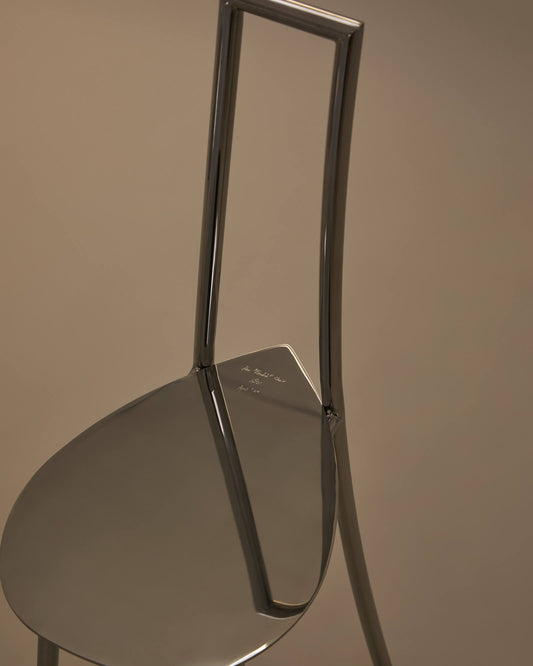
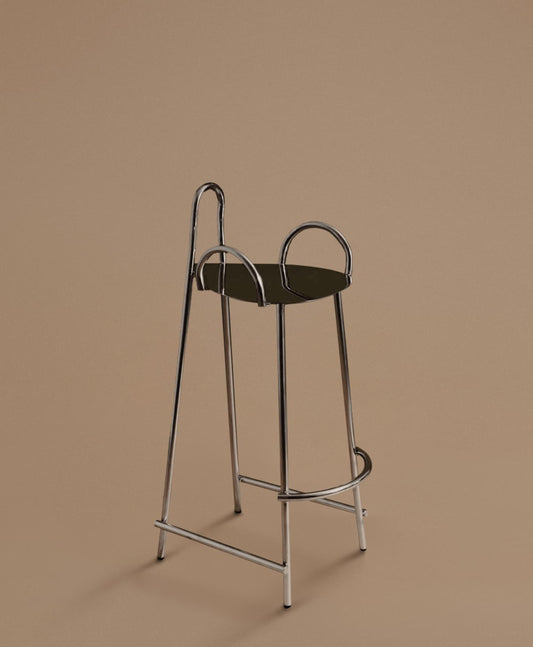
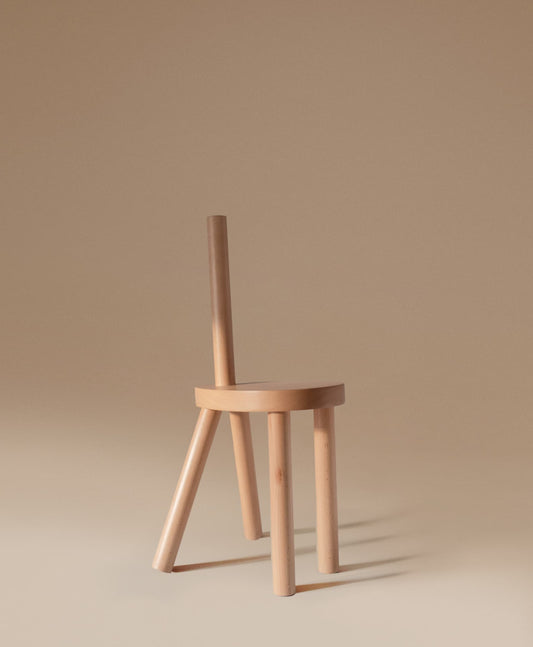
























Trends in design furniture: The Power of Materials in Contemporary Furniture Creations
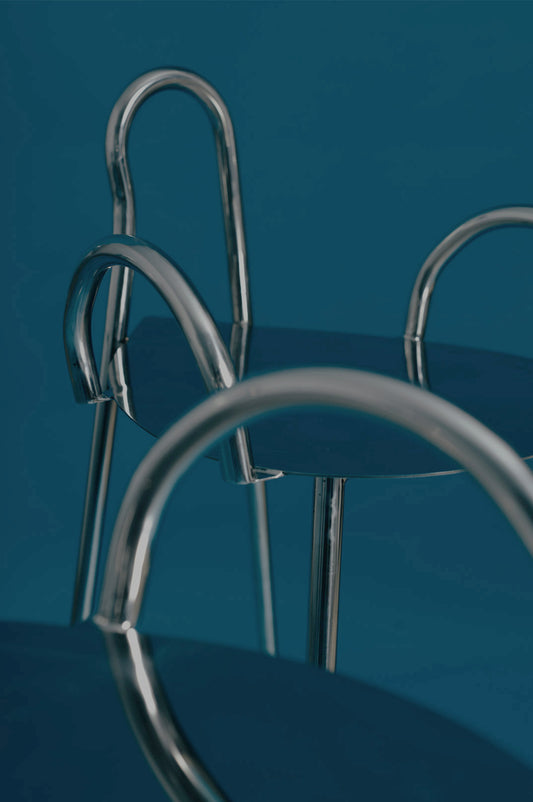
In the realm of contemporary furniture, materials define not only the aesthetics of a piece but also its story and emotional impact. Today, interior designers and collectors are moving beyond standard and industrialized choices, exploring materials that introduce novelty, depth, and exclusivity into furniture and object design.
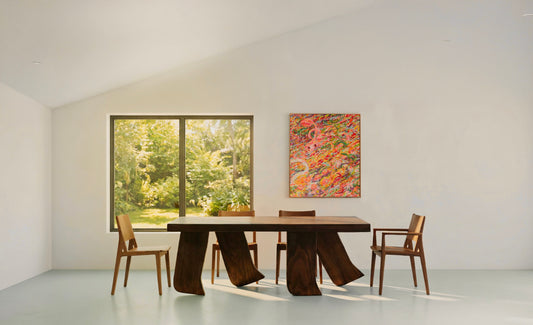
Modern exclusive interiors are characterized by an eclectic yet sophisticated approach, where contemporary furniture integrates cutting-edge materials while honoring traditional influences. The result is a dynamic fusion of innovation and historical awareness, where each piece tells a story through its textures, finishes, and contrasts.
The Future of Luxury Furniture: Emotion, Storytelling, and Innovation
As design continues to evolve, the future of designer furniture will be defined by the ability to merge craftsmanship, material innovation, and artistic storytelling. The demand for sculptural furniture that transcends function and engages the senses is growing, pushing boundaries in both form and materiality.
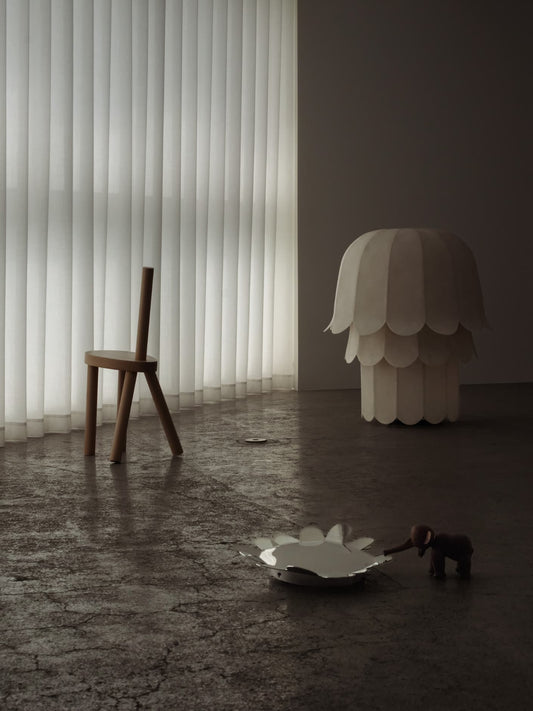
For interior designers, the challenge is no longer just selecting pieces that fit a space—it’s about curating objects that evoke emotion, spark dialogue, and tell a story. Whether through bold shapes, unexpected material combinations, or meticulous handcrafting, the next generation of contemporary furniture will continue to be an exploration of art, history, and the future.

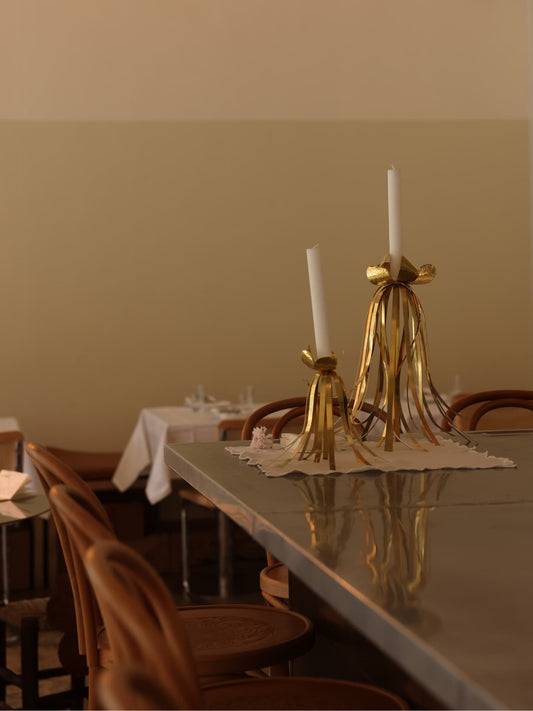
New work for @archdigest, the dreamiest brooklyn townhouse designed by @dalucido. photography: @oharpaz.
New technologies (Robotics, Artificial Intelligence, Augmented Reality, Metaverse, Quantum Computing …) stretch the boundaries of what is “human” and lurk over a lifestyle rooted in a life in balance with nature.
On the other hand, mass consumption after the Industrial Revolution has become the norm and the economic pressures linked to it have produced millions of perfectly machine-made pieces that inundate the homes of the 20th and early 21st century. The grounds on which it stands keeps traces of the Beax-arts era of design which also sought to eliminate or keep on the margins of society the tradicional ways of expression and local vernacular arts.
Today we are in a transitional period in which both immediate history and the prospects of a hyper technological future go “against” the beauty in the natural world and traditional crafts (with its imperfections and human touch). New design strives to champion and elevate everything that is human and everything that define us as human and our experiences, all while learning from the past and keeping an eye on the new world to come…
The Cashew Lamp: A Testimony to Timeless Innovation
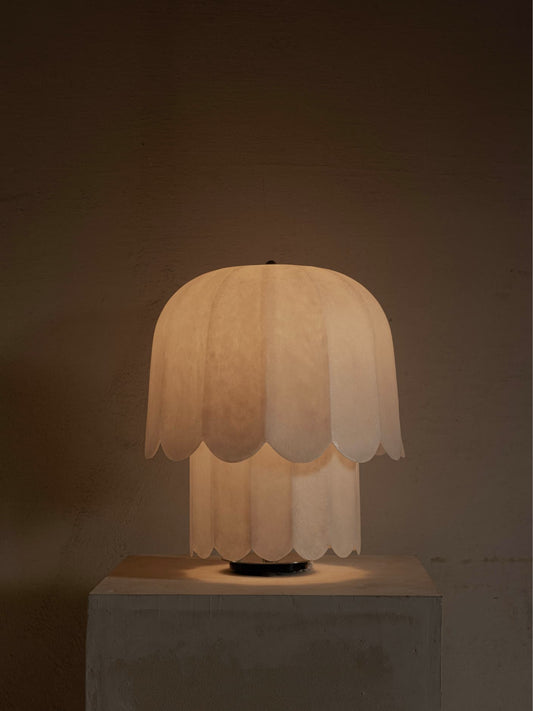
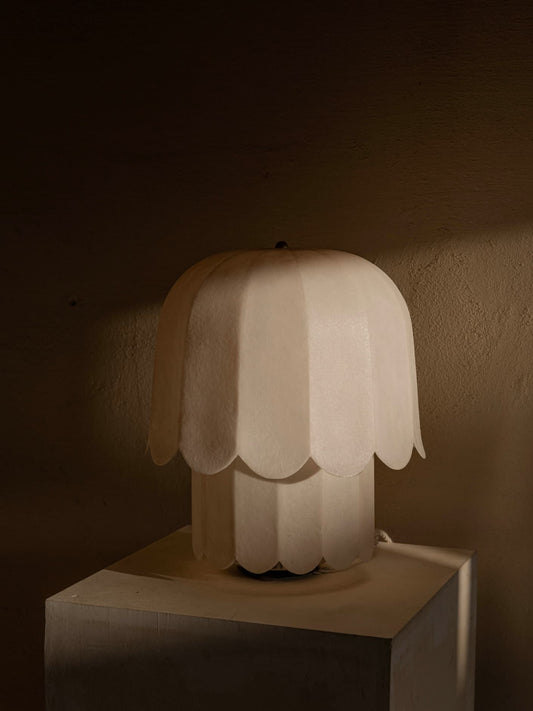
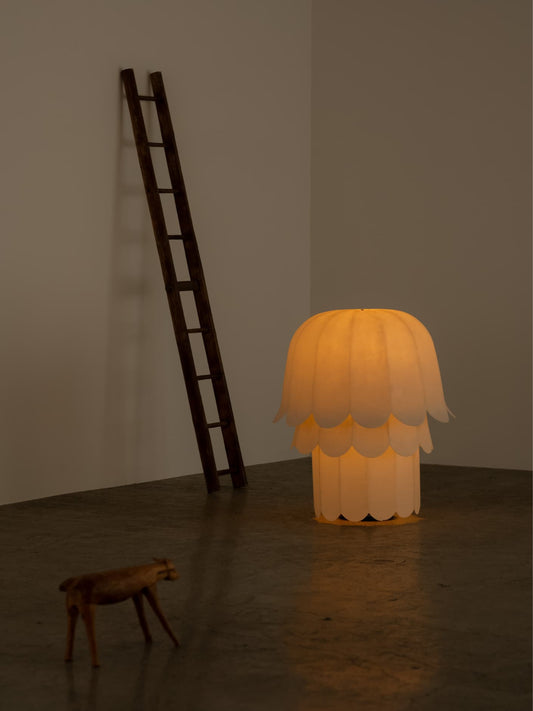
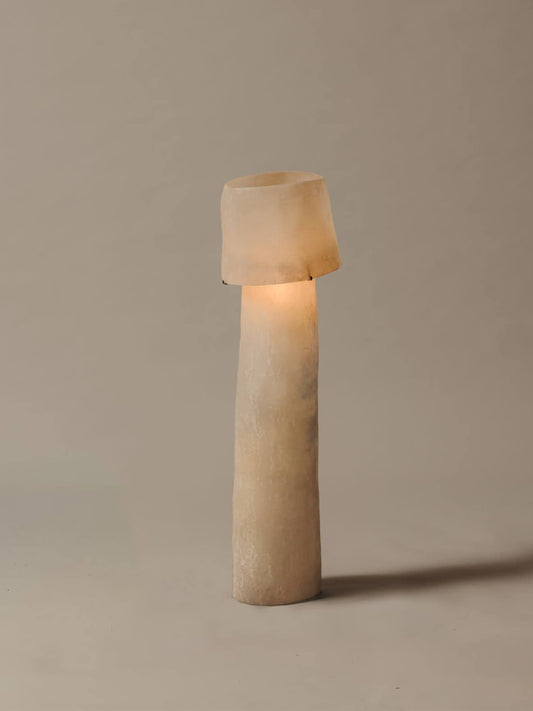
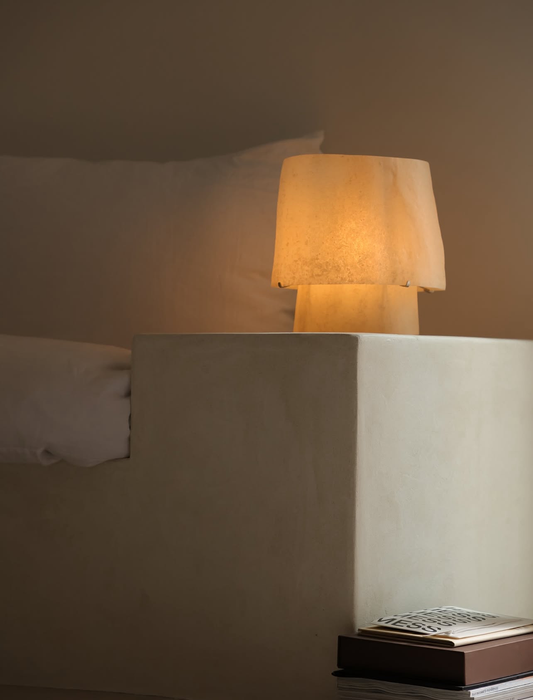
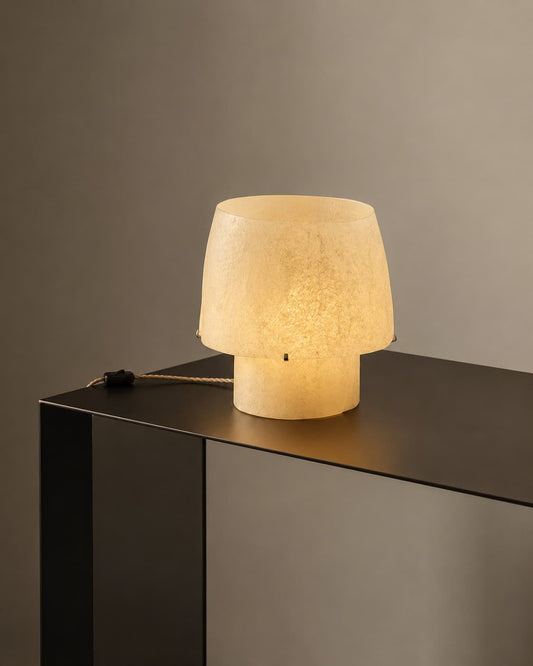
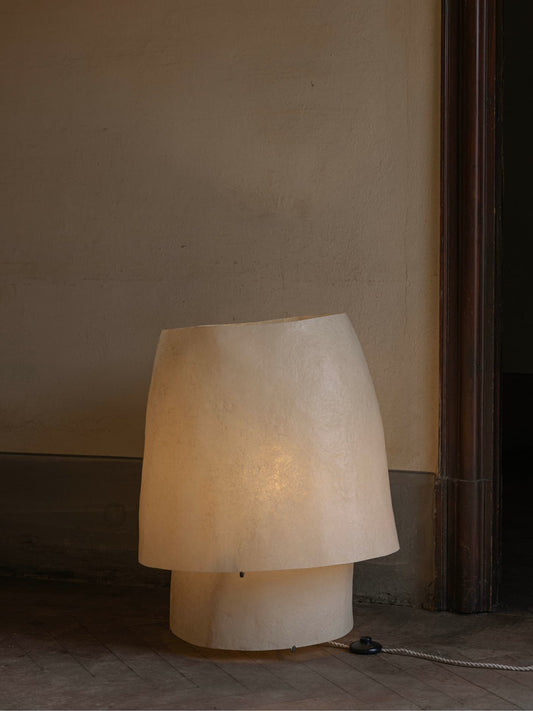
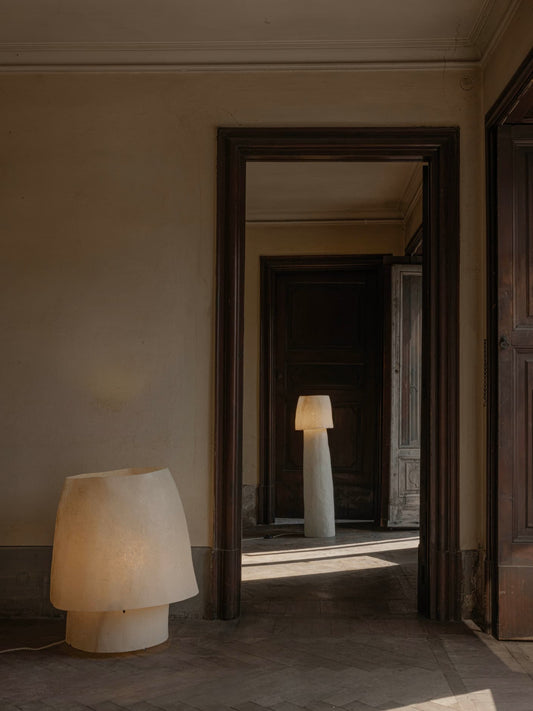
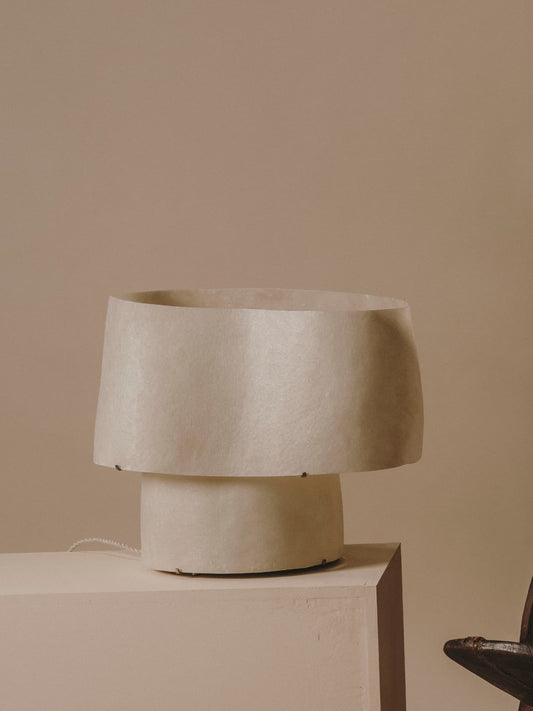
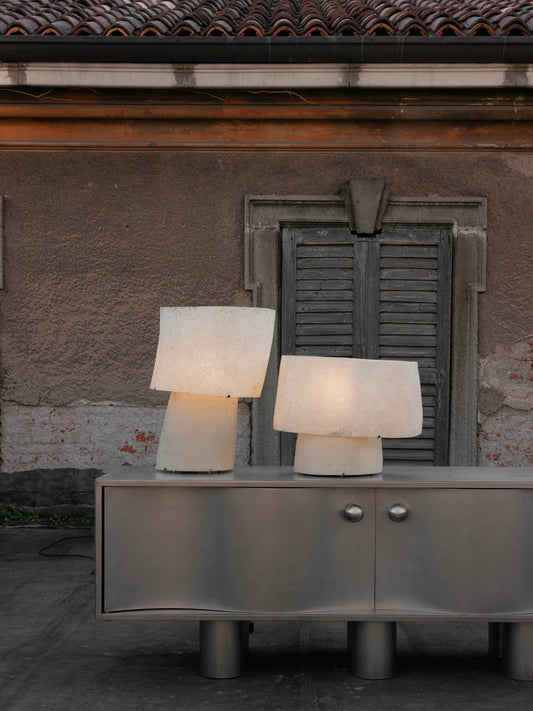
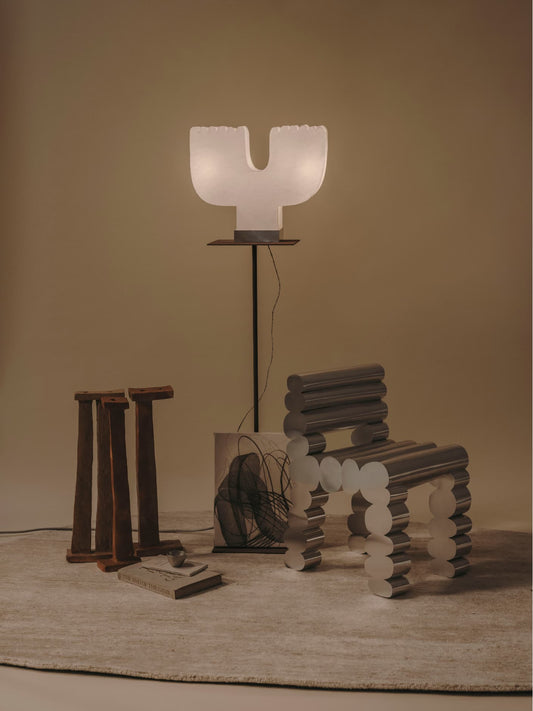
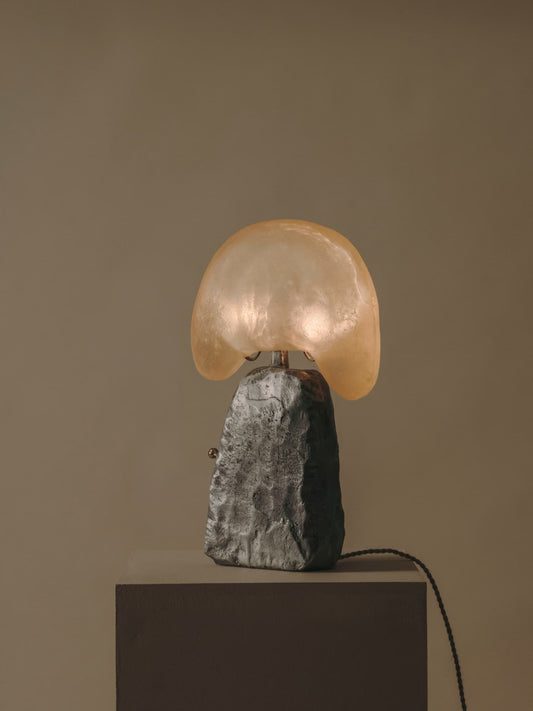
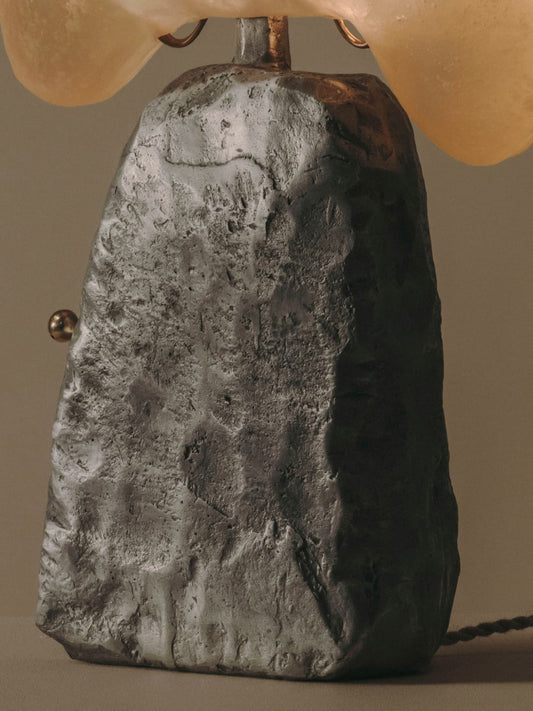
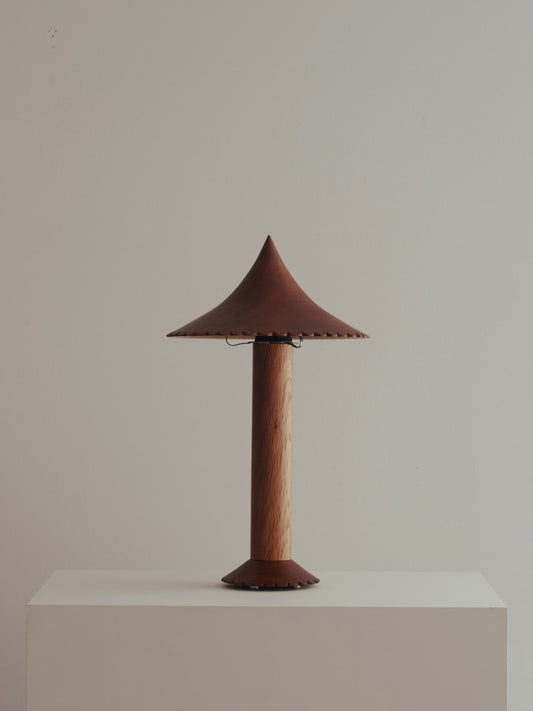
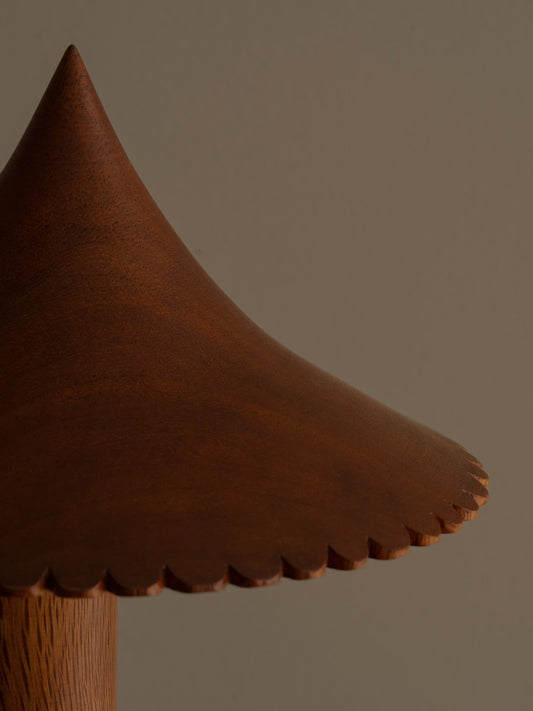
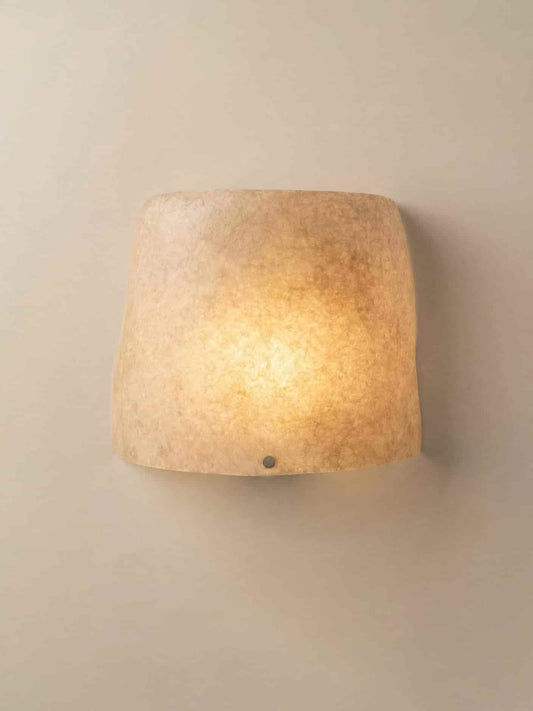
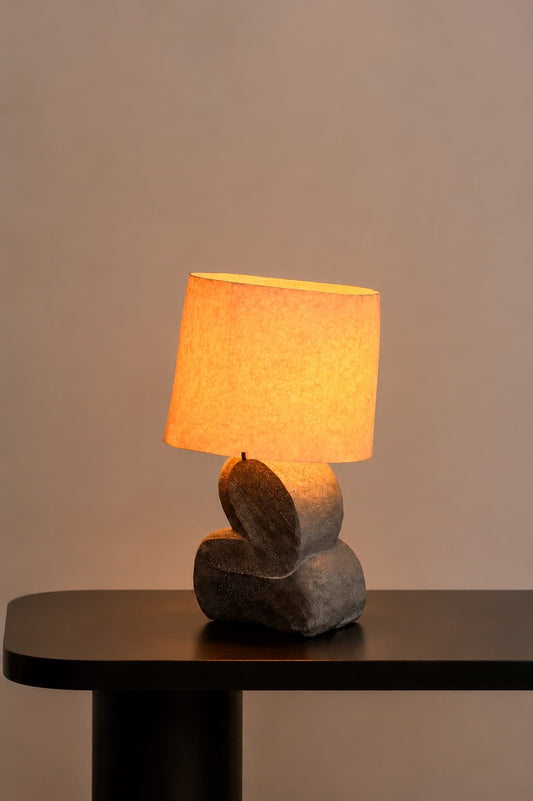
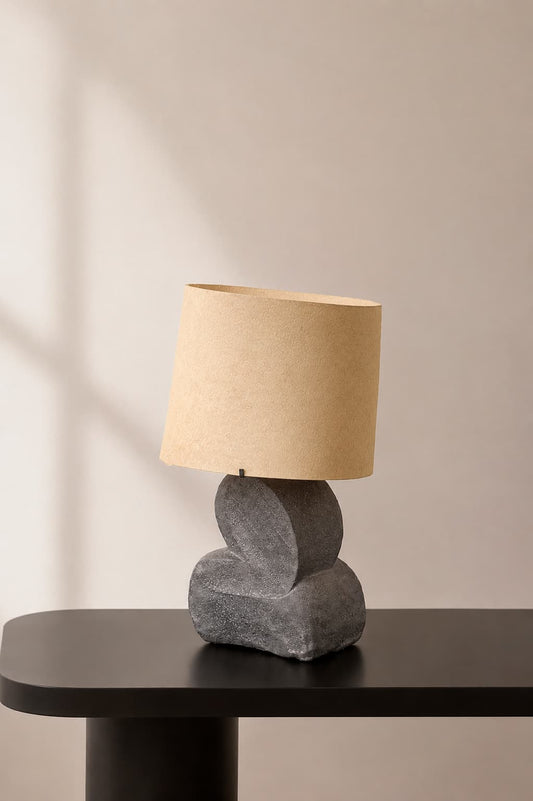
A perfect example of this philosophy is the Cashew Lamp, a striking collectible lamp that embodies the harmony between organic inspiration and artisanal mastery. This design echoes the natural curvature of a cashew nut while its flowing silhouette merges with the robust foundry base, creating a play of textures and light. A mesmerizing visual experience.
Renowned interior designer Kelly Wearstler has incorporated the Cashew Lamp into one of her most recent projects, recognizing its ability to impress not only for its material, technique and form, but also for its history, full of symbolism capable of connecting with the core being of its audience. This piece represents the balance between contrasts—combining the weight of hand-sculpted aluminum with the apparent lightness of resin, creating an interplay of shadow and illumination. It stands as an “Artifact of the Future.”


Key Concepts Every Interior Design Lover Should Consider
- Balance between tradition and modernity – Incorporate classic elements into contemporary designs to create timeless spaces.
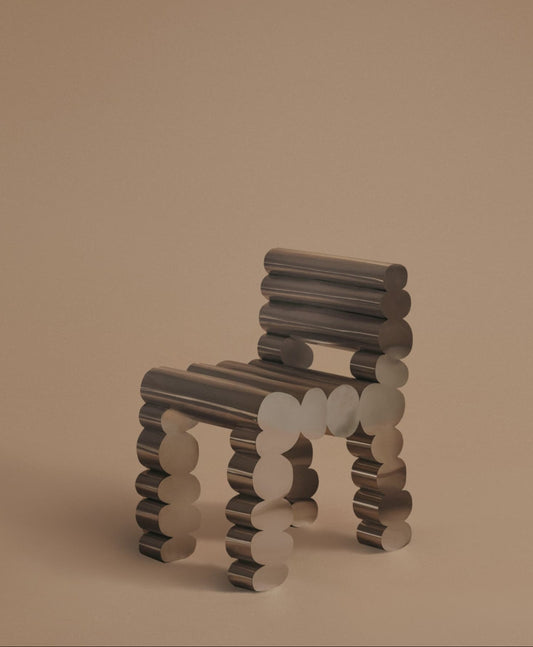
- Sculptural impact – Choose furniture that serves both functional and artistic purposes to elevate an interior
- Material innovation – Explore unique and sustainable materials to enhance both aesthetics and quality.
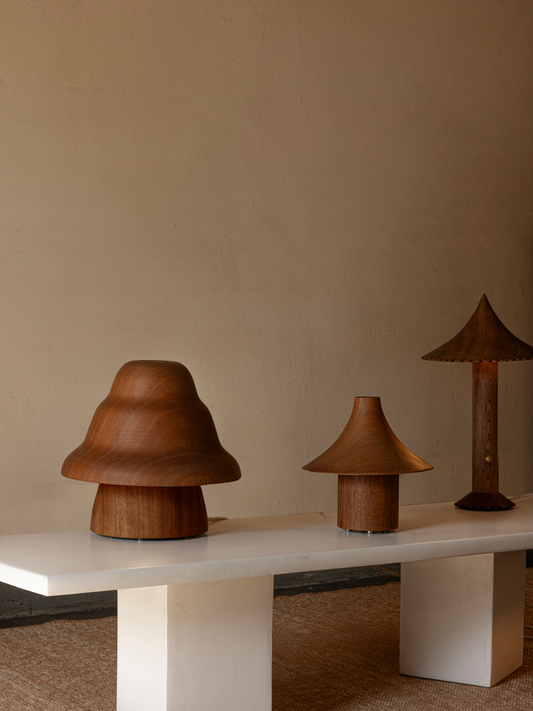
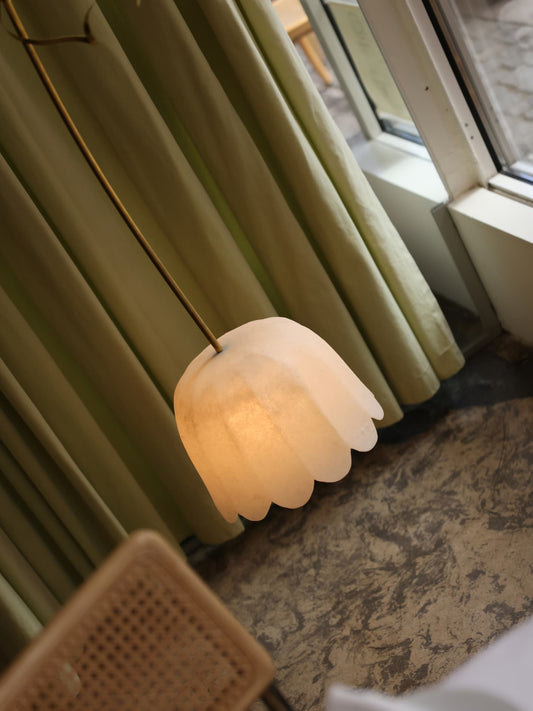
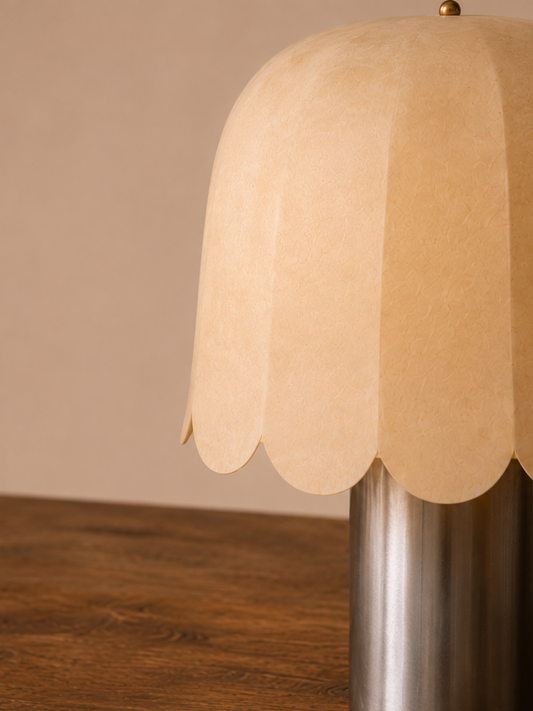
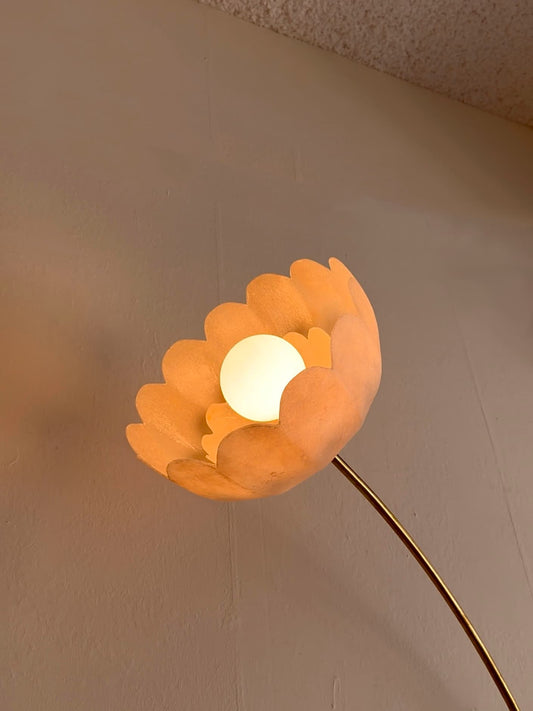
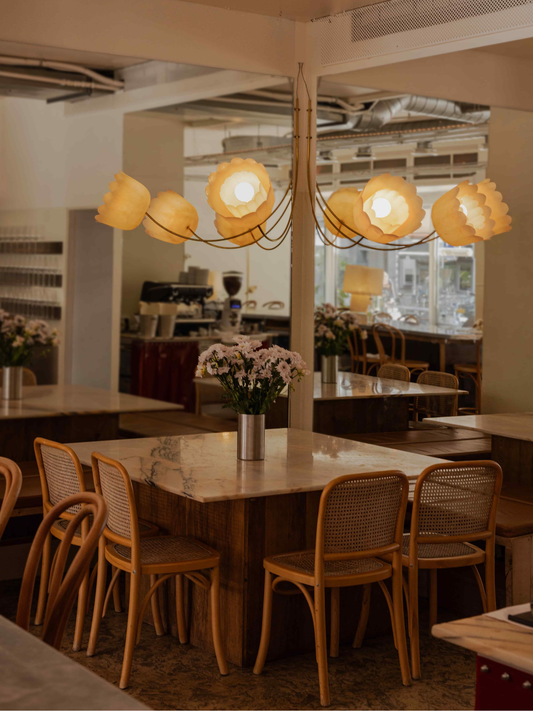
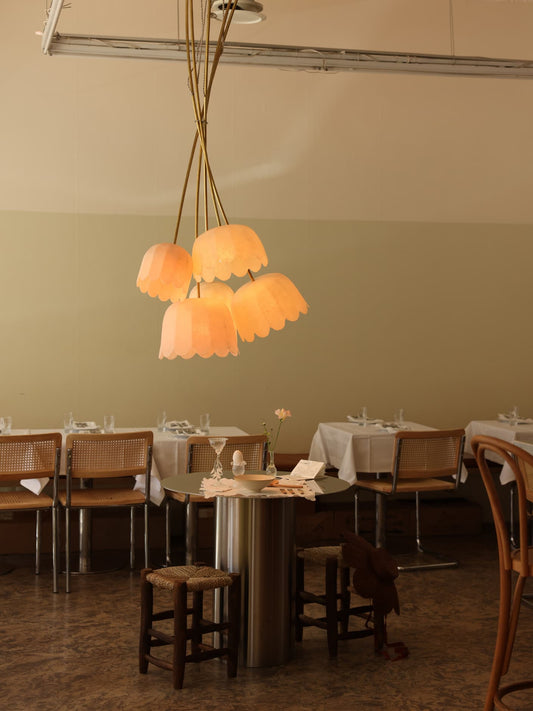
- Lighting as art – Select statement lighting pieces that provide both ambiance and artistic expression.
- Customization is key – Opt for bespoke designer furniture to create truly unique and personalized spaces.
- Exclusivity matters – Incorporate limited-edition or handcrafted pieces to add value and distinction.
- Versatility in design – Choose furniture that adapts to various styles and functions while maintaining high-end appeal.
- New Design as a reclaim to crafts – The preceding Beaux-arts, then Industrial / Bauhaus eras have stopped being relevant today as there is an increasing need for human connections through objects.